The construction sector in India is rapidly adopting sustainable construction materials to reduce carbon emissions and improve building efficiency.
Builders and developers now look for materials that reduce pollution and energy use. This shift is not only about saving the planet. It also helps businesses reduce costs, follow government rules, and attract investors.
Buildings create a large share of global carbon emissions. The United Nations Environment Programme (UNEP) reports that the building sector produces around 37% of global CO₂ emissions. Because of this, many companies in India now use green building materials in India to reduce their carbon footprint. Sustainable manufacturing also plays a big role in this change.
This blog explains the latest manufacturing trends that support eco-friendly construction materials, sustainable construction materials, and low carbon building materials used in modern buildings.
What Are Green Building Materials?
Green building materials are products used in construction that reduce environmental harm. They require less energy during production and create fewer emissions during use.
These materials also help buildings use less electricity and water.
Key features of green building materials
- Low carbon emissions during manufacturing
- Energy efficient performance
- Long life and durability
- Recyclable or reusable components
- Reduced waste during construction
In India, organizations such as the Indian Green Building Council (IGBC) and LEED certification systems set standards that guide developers in choosing sustainable materials.
Many builders now select eco-friendly construction materials to meet these standards.
Why Carbon Reduction Matters in Construction
Construction is one of the largest sources of emissions in the world. Cement production alone produces large amounts of CO₂.
According to the International Energy Agency (IEA), cement production creates around 7-8% of global carbon emissions.
Lowering these emissions helps countries meet climate goals.
Benefits of reducing carbon emissions in construction
- Lower energy costs for buildings
- Compliance with environmental regulations
- Improved reputation for businesses
- Better indoor air quality
- Increased property value
In India, the Bureau of Energy Efficiency (BEE) and Ministry of Environment, Forest and Climate Change promote energy efficient and sustainable construction practices.
Green Construction Growth in India
India’s construction sector is increasingly adopting sustainable building practices as the country works toward climate goals and more energy-efficient infrastructure.
According to the Indian Green Building Council, India has more than 19,000 registered green building projects covering over 15.7 billion square feet of built-up area, making it one of the largest markets for green buildings in the world.
Several factors are driving the rapid growth of sustainable construction in India:
- Government sustainability initiatives encouraging energy-efficient infrastructure and green building adoption.
- Rising demand from businesses and investors for environmentally responsible buildings.
- Stronger environmental regulations aimed at reducing carbon emissions in construction.
- Growing awareness of energy efficiency and long-term cost savings in commercial and residential buildings.
These developments are accelerating the adoption of green building materials, sustainable construction practices, and low-carbon manufacturing technologies across India.
Sustainable Manufacturing Trends for Green Buildings in India
Manufacturing practices have changed to support green construction. Many factories now reduce waste, use renewable energy, and design materials that lower carbon output.
Below are key trends shaping the future of sustainable construction materials in India.
1. Low Carbon Cement Production
Cement is the most used construction material. Manufacturers now develop alternatives that produce fewer emissions.
Examples
- Blended cement using fly ash or slag
- Limestone calcined clay cement (LC3)
- Reduced clinker cement
These materials reduce carbon emissions while maintaining structural strength.
Many companies in India follow guidelines from the Cement Sustainability Initiative to improve production efficiency.
2. Recycled Construction Materials
Recycling helps reduce waste from construction sites.
Common recycled materials include:
- Recycled steel
- Recycled concrete aggregates
- Recycled plastic composites
- Glass-based building panels
These materials reduce landfill waste and support circular manufacturing.
3. Energy Efficient Manufacturing Plants
Factories that produce low carbon building materials now use renewable energy such as solar power.
Many industrial plants also improve efficiency through:
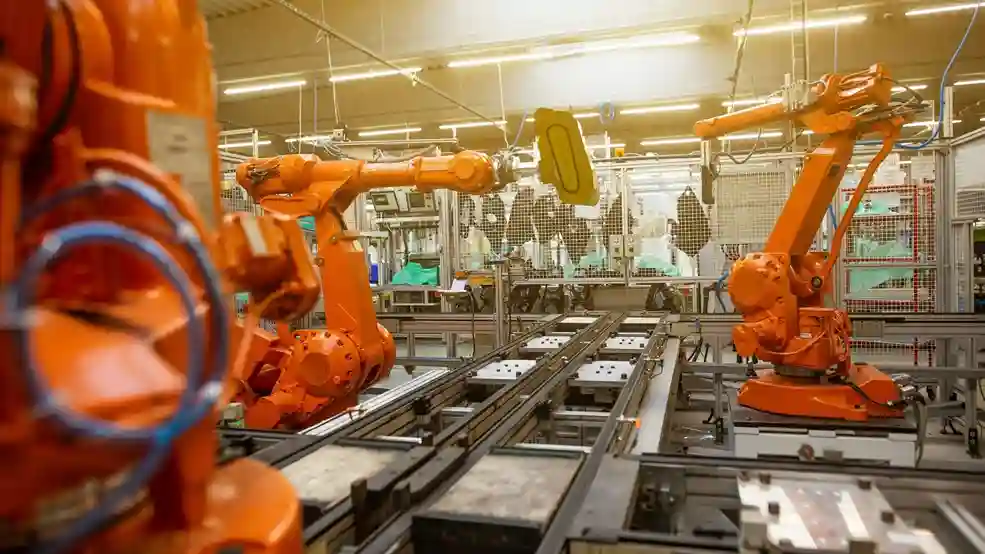
- electric furnaces
- waste heat recovery systems
- automated production lines
These changes reduce energy use during manufacturing.
4. Green Steel and Sustainable Metal Production
Steel production creates high emissions. Manufacturers are now adopting new methods.
Green steel approaches
- Hydrogen-based steel production
- Electric arc furnace technology
- Scrap-based steel recycling
Companies like Tata Steel promote sustainability through the GreenPro certification program, which evaluates eco-friendly products used in construction.
5. Prefabricated and Modular Construction
Prefabrication reduces material waste and speeds up construction. Components are produced in factories and assembled on site.
Benefits include:
- lower waste generation
- better quality control
- reduced transport emissions
- faster project completion
India’s Smart Cities Mission encourages modern building techniques like prefabrication.
Real Examples of Sustainable Construction Initiatives in India
Several companies and government initiatives in India are actively promoting sustainable construction and low-carbon manufacturing.
- Tata Steel is advancing green steel production through recycling, energy-efficient manufacturing processes, and technologies that reduce carbon emissions in steel production.
- UltraTech Cement has introduced blended cement products that incorporate industrial by-products such as fly ash and slag, helping reduce clinker usage and lower emissions.
- Smart Cities Mission encourages cities to develop energy-efficient infrastructure, green buildings, and modern construction methods such as prefabrication and sustainable materials.
These initiatives show how both industry and government are supporting the adoption of sustainable construction materials and environmentally responsible building practices in India.
Examples of Sustainable Construction Materials Used in India
Many materials used today support green building goals.
Common eco friendly construction materials
| Material | Environmental Benefit |
| Fly ash bricks | Reduce cement use and reuse industrial waste |
| Bamboo | Renewable and strong natural material |
| Recycled steel | Lower mining demand |
| Autoclaved Aerated Concrete (AAC) blocks | Lightweight and energy efficient |
| Reclaimed wood | Reduces deforestation |
Role of Certifications in Green Construction
Certifications guide builders toward better material choices.
Major green building certifications in India
IGBC (Indian Green Building Council): Promotes green building practices and sustainable design.
LEED Certification: A global system that rates buildings based on energy efficiency, water use, and materials.
GreenPro Certification: Evaluates eco friendly construction materials used in India.
Buildings with these certifications often attract investors and tenants.
Challenges in Adopting Sustainable Construction Materials
Although sustainable construction materials offer many benefits, some challenges still slow their adoption in the building sector.
Common challenges include:
- Higher initial costs for some green materials and technologies
- Limited awareness among builders and developers about sustainable alternatives
- Supply chain limitations in certain regions
- Lack of technical knowledge about sustainable construction methods
As awareness increases and technology improves, many of these challenges are gradually being addressed. Government initiatives and industry programs are also helping promote wider adoption of sustainable construction practices in India.
How Businesses Can Adopt Low Carbon Building Materials
Many companies want to reduce emissions but are unsure where to begin. These steps help organizations shift toward sustainable construction materials.
Step-by-step approach
- Conduct a carbon footprint assessment
- Choose certified green materials
- Work with suppliers using sustainable manufacturing
- Use energy efficient building design
- Track emissions during construction
Construction companies in India now follow these steps to meet environmental goals.
How Venttup Supports Sustainable Building Projects
Venttup helps businesses identify and adopt sustainable construction solutions. The platform connects organizations with verified suppliers and technologies that support green construction.
Venttup helps companies
- Discover green building materials in India
- Evaluate eco friendly construction materials
- Source low carbon building materials
- Support environmentally responsible building projects
Businesses that adopt sustainable materials today gain long-term economic and environmental benefits.
Key Takeaways
The construction sector in India is rapidly shifting toward environmentally responsible materials and manufacturing practices. Key trends shaping sustainable construction include:
- Low-carbon cement alternatives such as blended cement and limestone calcined clay cement that reduce emissions during production.
- Recycled construction materials including recycled steel, concrete aggregates, and plastic composites that support circular manufacturing.
- Renewable-powered manufacturing plants using solar energy, waste heat recovery systems, and energy-efficient production processes.
- Green steel production methods that reduce emissions through electric arc furnaces, scrap recycling, and hydrogen-based technologies adopted by companies such as Tata Steel.
- Prefabricated and modular construction techniques that minimize construction waste, improve quality control, and accelerate project completion.
These trends are helping India move toward low-carbon buildings, sustainable construction materials, and environmentally responsible infrastructure development.
Conclusion
Sustainable construction materials are becoming increasingly important as India’s construction industry focuses on reducing carbon emissions and improving energy efficiency.
Government initiatives, green building certifications such as Indian Green Building Council and U.S. Green Building Council’s LEED program, and modern manufacturing practices are supporting this transition.
Materials like fly ash bricks, AAC blocks, bamboo, and recycled steel are helping builders create environmentally responsible structures while reducing environmental impact. As demand for greener infrastructure grows, adopting sustainable construction materials will play a key role in shaping the future of the building sector in India.
Frequently Asked Questions (FAQs)
1. What are sustainable construction materials?
Sustainable construction materials are building materials that reduce environmental impact during production, construction, and use. They are designed to use fewer natural resources, produce lower carbon emissions, and improve the energy efficiency of buildings. These materials also help reduce waste and support long-term environmental sustainability.
2. What are examples of green building materials used in India?
Common green building materials used in India include fly ash bricks, bamboo, recycled steel, reclaimed wood, and Autoclaved Aerated Concrete (AAC) blocks. These materials are popular because they help protect the environment and make buildings work better. Many of them are also light, strong, and take less energy to make
3. Why are green building materials important?
Using eco-friendly building materials is important because they help cut down on carbon emissions and make construction projects better for the environment. They also improve energy efficiency in buildings, which can reduce electricity consumption and operating costs. These materials also help make the air inside buildings cleaner, leading to better health for people who live or work there.
4. How do sustainable materials reduce carbon emissions?
Sustainable materials reduce carbon emissions by using recycled or renewable resources and requiring less energy during manufacturing. Some materials also improve insulation and energy efficiency in buildings, which lowers energy use during operation. As a result, the overall carbon footprint of a building can be significantly reduced.
5. What is the role of certifications in green construction?
Certifications help builders follow recognized sustainability standards when designing and constructing buildings. These systems evaluate factors such as energy use, water efficiency, materials, and environmental impact. In India, organizations like the Indian Green Building Council provide certification programs that encourage the use of sustainable construction practices.
6. What are the benefits of using eco-friendly construction materials?
Eco-friendly construction materials help reduce environmental damage and support sustainable development. They can improve building durability, reduce maintenance costs, and increase energy efficiency. Over time, buildings constructed with sustainable materials may also have higher property value and attract environmentally conscious buyers or investors.
7. Is sustainable construction more expensive?
Sustainable construction may sometimes have slightly higher upfront costs due to specialized materials or technologies. However, these buildings often reduce energy consumption, water usage, and maintenance costs over time. Because of these long-term savings, sustainable buildings can be more cost-effective in the long run.