Manufacturing as a Service (MaaS) is transforming how businesses design, source, and manufacture products in 2026. Instead of investing heavily in factories, equipment, and large production teams, companies can now access manufacturing capabilities through specialized service providers.
This model has become especially valuable for startups, OEMs, renewable energy firms, EV manufacturers, aerospace companies, and industrial businesses that need flexibility, speed, and cost control. Rising labor costs, supply chain disruptions, and localization initiatives are accelerating the adoption of Manufacturing as a Service worldwide.
What Is Manufacturing as a Service (MaaS)?
Manufacturing as a Service (MaaS) is a business model that allows companies to access manufacturing resources on demand through external manufacturing networks.
The model works similarly to cloud computing: businesses use specialized manufacturing providers instead of building and maintaining their own production facilities.
MaaS providers typically offer:
- Product design support
- Engineering services
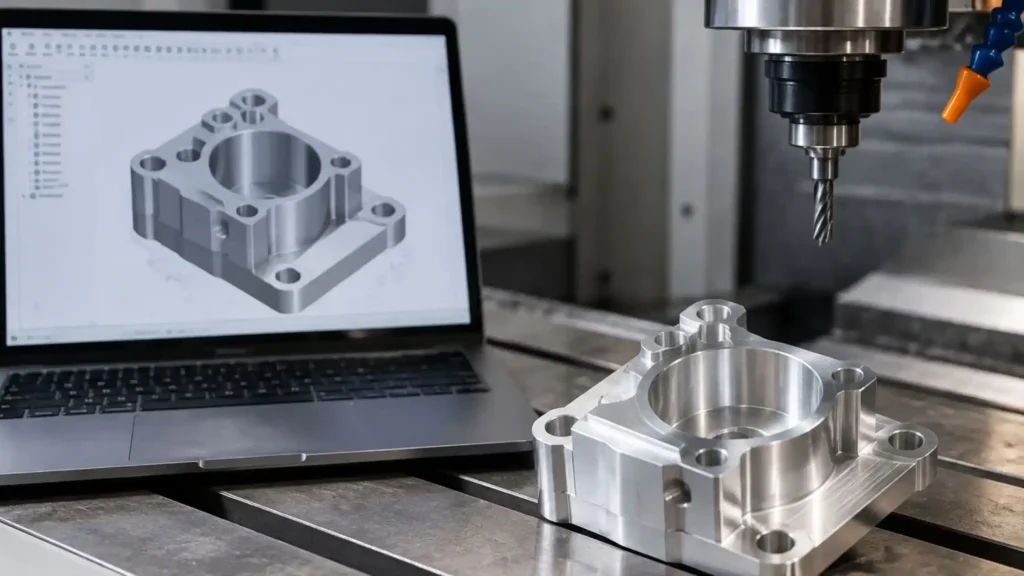
- Rapid prototyping
- Component sourcing
- Contract manufacturing
- Quality control
- Logistics and supply chain management
This approach reduces capital expenditure, improves production flexibility, and helps companies scale faster without major infrastructure investments.
Why Is Manufacturing as a Service Growing in 2026?
Manufacturing as a Service is growing rapidly because companies need faster, more resilient, and more flexible production models.
Key Drivers of MaaS Adoption in 2026
| Driver | Business Impact |
| Supply chain disruptions | Greater diversification and resilience |
| Rising labor costs | Lower operational expenses through outsourcing |
| EV manufacturing growth | Increased demand for scalable production |
| Renewable energy expansion | Higher demand for industrial components |
| Localization initiatives | Growth in regional manufacturing networks |
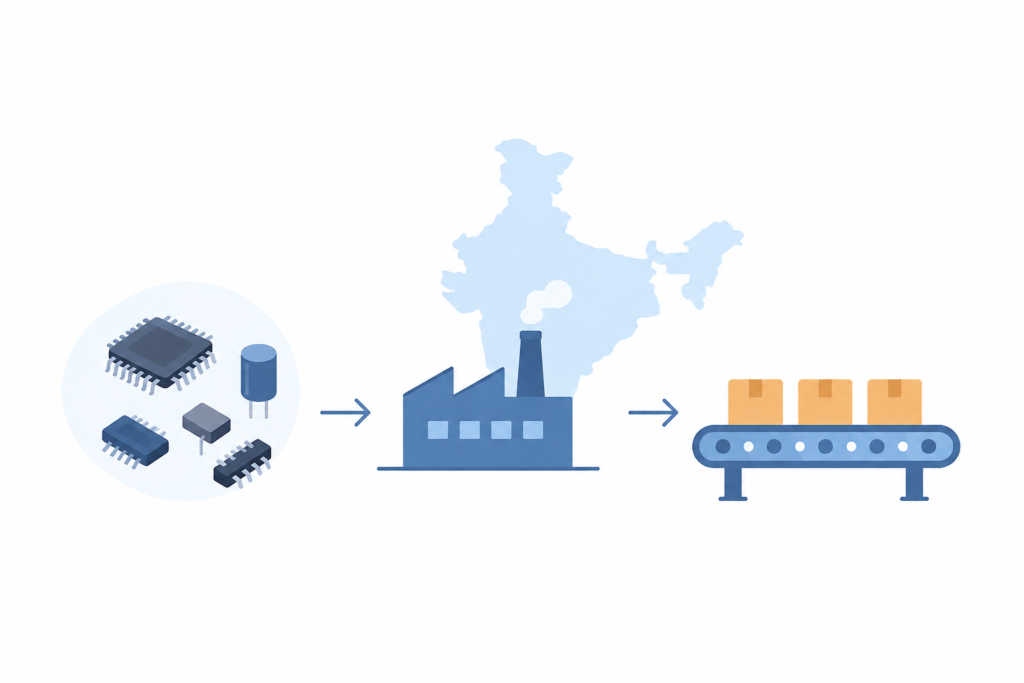
Countries such as India, the UAE, Southeast Asia, and North America are becoming important regional manufacturing hubs. In India, initiatives like Make in India continue to encourage local production and supply chain localization.
Companies increasingly prefer distributed manufacturing networks instead of relying on a single supplier or country, improving business continuity and reducing operational risk.
Which Companies Are Leading the MaaS Industry in 2026?
Several organizations have emerged as major players in the Manufacturing as a Service ecosystem, offering digital manufacturing, engineering support, and scalable production solutions.
Top Manufacturing as a Service Companies in 2026
| Company | Core Focus | Industries Served |
| Xometry | Manufacturing marketplace | Industrial, aerospace, consumer products |
| Fictiv | Digital manufacturing & supply chain | Hardware startups, OEMs |
| Protolabs | Rapid prototyping & low-volume manufacturing | Product development teams |
| Hubs | Distributed manufacturing network | Industrial manufacturing |
| Venttup | Engineering-led manufacturing services | Renewable energy, infrastructure, aerospace |
Xometry
Xometry operates a large manufacturing marketplace that connects buyers with manufacturing partners. The platform supports CNC machining, sheet metal fabrication, injection molding, and 3D printing.
Fictiv
Fictiv focuses on digital manufacturing and supply chain management, helping businesses move from prototype to production more efficiently.
Protolabs
Protolabs specializes in rapid prototyping and low-volume manufacturing, making it a popular choice for product development teams that require quick turnaround times.
Hubs
Hubs provides access to global manufacturing capabilities through a distributed partner network, supporting businesses that need flexible and scalable production options.
Venttup
Venttup supports organizations through engineering services, industrial manufacturing solutions, localization initiatives, and sustainable engineering services. The company focuses on sectors such as renewable energy, industrial equipment, power infrastructure, aerospace, and advanced manufacturing.
How Does MaaS Improve Contract Manufacturing?
Manufacturing as a Service improves contract manufacturing by simplifying production management and reducing operational complexity.
Traditional manufacturing often requires:
- Factory investments
- Equipment purchases
- Vendor management
- Workforce expansion
MaaS eliminates many of these requirements by giving businesses access to:
- Existing manufacturing networks
- Engineering expertise
- Quality management systems
- Supply chain support
- Scalable production capacity
This model shortens product development timelines and lowers barriers for startups and growing companies. Businesses can move from prototype to production without building manufacturing infrastructure.
Key Benefits of Manufacturing as a Service
Manufacturing as a Service offers several advantages for modern businesses seeking agility and efficiency.
Lower Capital Expenditure
Companies avoid large upfront investments in factories, machinery, and production facilities.
Faster Product Development
Engineering support and rapid prototyping help reduce design iterations and accelerate time-to-market.
Flexible Production Scaling
Businesses can increase or decrease production volumes based on market demand without maintaining excess capacity.
Access to Specialized Expertise
MaaS providers offer engineering knowledge, quality systems, and industry-specific manufacturing experience.
Improved Supply Chain Resilience
Distributed manufacturing networks reduce dependence on a single supplier or region, improving business continuity.
Support for Global Expansion
Companies can access regional manufacturing hubs and localized production capabilities more easily.
What Should Businesses Look for in a MaaS Provider?
The right Manufacturing as a Service partner should offer more than just production capacity. Businesses should evaluate providers based on several critical factors.
Engineering Capabilities
Strong engineering support helps reduce design issues before production begins and improves manufacturability.
Industry Experience
Industry knowledge is essential for maintaining quality, compliance, and operational efficiency in specialized sectors.
Supply Chain Network
A robust supplier network improves sourcing efficiency and helps mitigate supply chain disruptions.
Quality Management
Manufacturers should follow recognized quality standards and inspection processes to ensure consistent production quality.
Scalability
Production capacity should support both current requirements and future business growth.
Localization Support
Supply chain localization has become a major priority in 2026. Regional sourcing reduces transportation risks and improves responsiveness.
Sustainability Initiatives
Many organizations now evaluate supplier sustainability performance. Manufacturers with sustainable engineering services often align better with ESG goals.
Challenges of Manufacturing as a Service
While MaaS offers significant advantages, businesses should also consider potential challenges.
Supplier Dependency
Relying on external manufacturing partners can create dependency risks if suppliers face operational issues.
Quality Consistency
Maintaining consistent quality across multiple manufacturing facilities requires strong quality management systems.
Intellectual Property Protection
Sharing product designs and technical information with external partners requires robust confidentiality and security measures.
Regulatory Compliance
Different regions may have varying manufacturing regulations, certifications, and compliance requirements.
Coordination Complexity
Managing distributed manufacturing networks and global suppliers can increase coordination and communication challenges.
How Is Supply Chain Localization Influencing MaaS?
Supply chain localization has become one of the strongest drivers of Manufacturing as a Service adoption in 2026.
Many companies are reducing dependence on distant suppliers to improve resilience and responsiveness.
Benefits of Localization in MaaS
- Faster delivery timelines
- Lower logistics costs
- Reduced geopolitical risks
- Improved supplier visibility
- Better regulatory compliance
India, the UAE, Southeast Asia, and North America are becoming key regional manufacturing hubs. This trend is particularly important in renewable energy, EV manufacturing, aerospace, and industrial equipment sectors.
The Future of Manufacturing as a Service
Manufacturing as a Service will continue expanding as digital technologies improve manufacturing efficiency and supply chain connectivity.
Key Trends Shaping MaaS Beyond 2026
- AI-assisted production planning
- Digital supply chain management
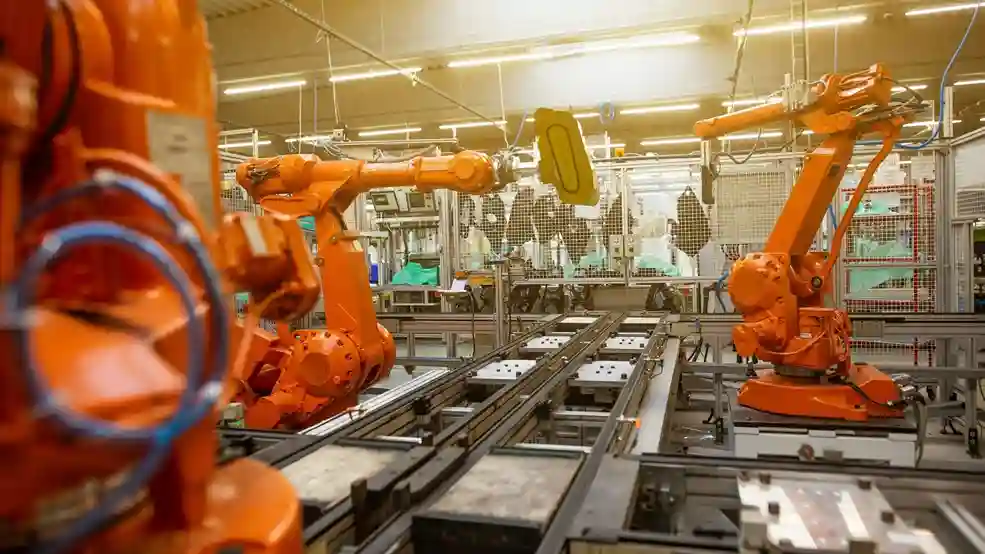
- Smart factory integration
- Predictive quality control
- Regional manufacturing ecosystems
- Sustainable manufacturing practices
Industry 4.0 technologies are making manufacturing networks more connected, data-driven, and responsive to market changes.
Companies that adopt MaaS can reduce operational complexity while maintaining the flexibility needed to compete in evolving global markets.
Conclusion
Manufacturing as a Service (MaaS) is becoming a preferred production model for modern businesses because it reduces capital investment, improves scalability, and provides access to specialized manufacturing expertise.
Companies such as Xometry, Fictiv, Protolabs, Hubs, and Venttup are helping transform contract manufacturing through digital networks, engineering support, supply chain innovation, and localized production capabilities.
As manufacturing becomes increasingly digital, localized, and sustainability-driven, businesses that adopt flexible manufacturing networks will be better positioned to respond to market changes, supply chain disruptions, and evolving customer demand.
Frequently Asked Questions (FAQ)
What is Manufacturing as a Service (MaaS)?
Manufacturing as a Service (MaaS) is a business model that allows companies to access manufacturing resources on demand through external manufacturing networks instead of owning production facilities.
How does MaaS differ from traditional contract manufacturing?
MaaS goes beyond traditional contract manufacturing by integrating digital manufacturing, engineering support, supply chain management, prototyping, and scalable production through connected manufacturing networks.
Which industries benefit most from MaaS?
Industries such as renewable energy, EV manufacturing, aerospace, industrial equipment, consumer electronics, and startups benefit significantly from MaaS due to its flexibility and scalability.
Why is supply chain localization important in MaaS?
Supply chain localization reduces logistics costs, improves delivery timelines, lowers geopolitical risks, and enhances supplier visibility and regulatory compliance.
Is MaaS suitable for startups?
Yes. MaaS is especially valuable for startups because it reduces capital expenditure, provides access to specialized manufacturing expertise, and enables faster product development without requiring factory investments.