India’s engineering sector is not just growing – it’s becoming more structured and execution-focused. New tools, tighter timelines, and cost pressure are changing how projects are planned and delivered.
For companies in manufacturing, energy, EV, aerospace, and infrastructure, this shift is important. In 2026, engineering design and consulting is no longer limited to design support. It directly affects project speed, cost control, and long-term performance.
This guide looks at the engineering trends in India, what they mean in practice, and how businesses are adapting.
Why Engineering Consulting is Growing in India
More companies in India are moving from ad-hoc execution to planned engineering processes. This is one of the main reasons demand for engineering consulting India services is increasing.
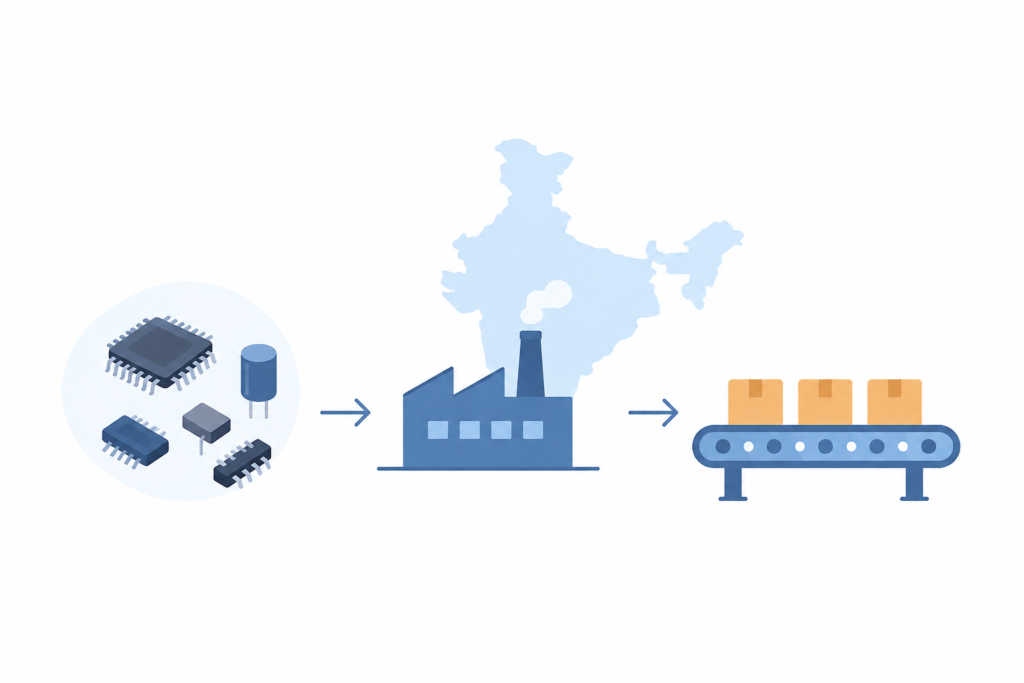
India’s manufacturing sector is expanding, and with that comes the need for better planning, supplier coordination, and quality control.
Today, companies don’t look for consultants only for drawings. They expect support in:
- Feasibility and early decision-making
- Compliance and documentation
- Supplier identification and validation
- Production planning and scaling
In many projects, delays don’t happen during design – they happen during supplier coordination and execution. This is where structured consulting makes a difference.
In simple terms, engineering consulting in India is shifting from support role to execution role.
Top Engineering Design and Consulting Trends in India 2026
These trends are already visible across industries. They are not future concepts – they are being applied in real projects.
1. AI-Assisted Engineering Design
AI tools are helping engineers test multiple design options quickly. Instead of spending weeks on revisions, teams can identify errors early and reduce rework.
In India, this is mainly improving design speed and material efficiency, especially in automotive and industrial equipment projects. In some cases, early-stage design cycles are being reduced significantly because multiple iterations can be tested faster.
2. Digital Twin Technology
A digital twin is a virtual version of a machine or system. It allows teams to test performance before actual production.
This is useful in India where design mistakes can be costly. Companies use it to reduce downtime and avoid changes after installation. It also helps teams identify performance gaps before equipment is deployed.
3. Sustainable Engineering
Energy cost and compliance requirements are pushing companies to design more efficient systems.
In many projects, this now includes:
- Energy-efficient equipment selection
- Waste reduction planning
- Layouts that support future renewable integration
Sustainability is no longer optional – it is becoming a standard requirement, especially in large industrial and infrastructure projects.
4. BIM in Construction and Infrastructure Projects
BIM (Building Information Modeling) is widely used in metro rail, airports, and large construction projects.
It helps teams work on a shared model, which reduces design clashes and avoids expensive corrections during construction. Many delays in infrastructure projects are caused by coordination issues, and BIM helps address this early.
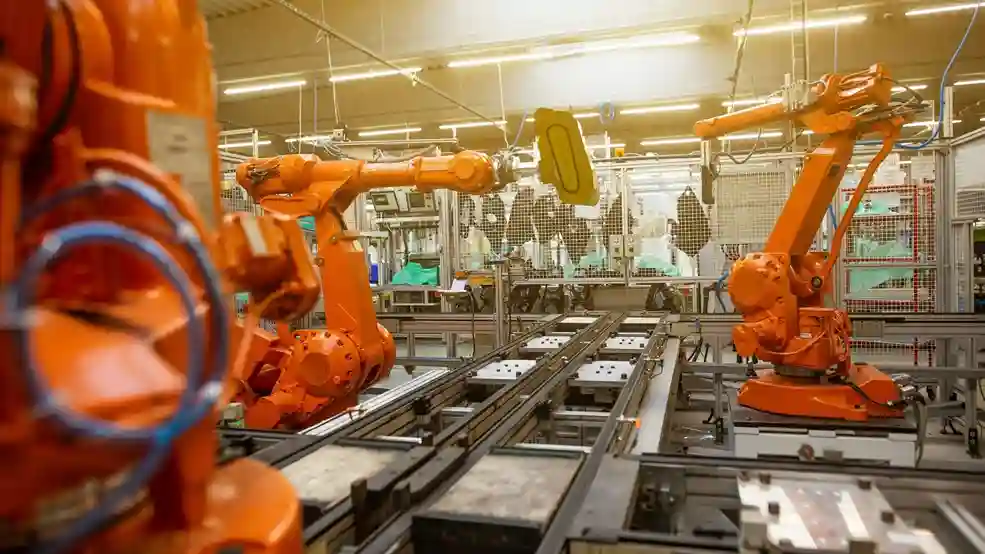
5. Automation and Robotics in Engineering Design
Factories in India are gradually increasing automation, especially in sectors like automotive, electronics, and pharma.
Instead of adding machines later, automation is now planned during the design stage itself. This improves efficiency and reduces manual dependency. It also helps companies maintain consistent output as production scales.
6. Reverse Engineering in India
Reverse engineering is helping companies reduce dependence on imports.
It is commonly used to:
- Recreate discontinued parts
- Develop local alternatives
- Speed up prototype development
For example, many companies are using reverse engineering to replace imported components with locally developed ones, reducing both cost and lead time.
7. Data-Driven Engineering Project Planning
Companies are making decisions based on data rather than assumptions.
For example, before setting up a plant, factors like logistics cost, supplier availability, and output capacity are analysed in detail. This reduces risk and improves long-term performance.
This approach is becoming important in India, where location and supply chain decisions have a direct impact on project success.
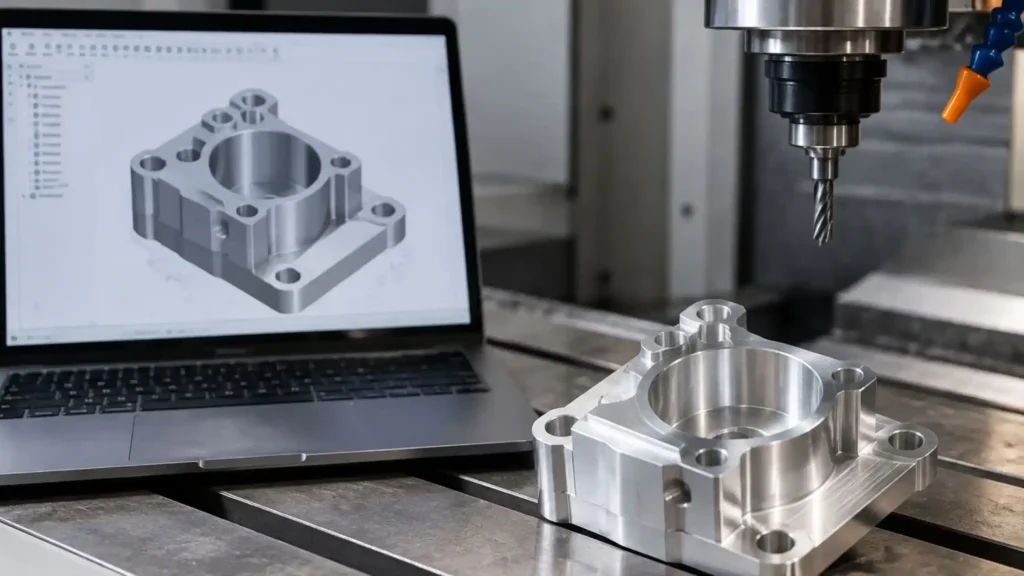
8. Rapid Prototyping with 3D Printing
3D printing and rapid prototyping tools are helping teams test ideas quickly.
This is especially useful in product development, where early testing can prevent costly changes later. Faster prototyping also allows teams to validate designs before committing to full-scale production.
Industries Driving Engineering Design Demand in India
Demand for engineering design services in India is growing across key sectors, reflecting the broader shift in engineering design India capabilities:
- Manufacturing – plant layout, process planning, automation
- Electric Vehicles – battery systems, components, chassis design
- Renewable Energy – solar and wind system design
- Aerospace & Defence – high-precision components and compliance
- Infrastructure – metro, highways, and smart city projects
- Electronics – PCB design and thermal management
These industries depend on structured engineering to reduce risk and improve output.
What to Look for in an Engineering Consulting Partner in India
Choosing the right partner can save both time and cost. A weak process often leads to delays during execution, not during design.
Key things to check:
- Experience in similar projects
- Ability to handle design, quality, and suppliers together
- Clear and structured workflow
- Proper documentation and compliance support
- Realistic timelines
In many Indian projects, the biggest challenge is not design quality but coordination between teams. A structured approach helps avoid this.
How Design Consulting is Evolving in India
Design consulting in India is becoming more practical. Earlier, it focused mainly on design output. Now, it includes:
- Feasibility thinking from the start
- Supplier capability checks
- Planning for manufacturing constraints
This shift is important because design decisions directly affect production success.
Integrated Engineering Approach in India
Across the engineering India landscape, one clear shift is visible – teams are trying to connect design, quality, and supply chain instead of handling them separately.
Venttup follows the GATE Process, which is built around this idea of integration. It connects engineering design, quality checks, and supplier coordination into a structured workflow.
This kind of approach helps in:
- Reducing last-minute changes
- Improving feasibility early
- Keeping execution aligned
Frequently Asked Questions
What is engineering design and consulting?
Engineering design and consulting is the process of planning, designing, and validating engineering projects – from individual components to full production systems. Consultants provide technical guidance, feasibility analysis, supplier support, and quality oversight across the project lifecycle.
Which industries benefit most from engineering consulting in India?
Manufacturing, electric vehicles, renewable energy, aerospace, defence, and infrastructure are the sectors with the highest demand for engineering consulting services in India. These industries require specialised technical planning, compliance documentation, and supplier management support.
What is the difference between engineering design and design consulting?
Engineering design focuses on the technical development of a product, component, or system. Design consulting is broader – it includes strategy, feasibility, process planning, and execution support alongside the design work itself.
How long does an engineering design project take in India?
Timelines depend on project scope. A single component design may take 2-4 weeks. A full plant engineering or automation project can take 3-6 months, including feasibility, design, prototyping, and compliance stages.
Can small and medium businesses use engineering consulting services?
Yes – MSMEs benefit significantly from engineering consulting. Expert planning reduces costly mistakes, speeds up product development, and helps smaller companies meet quality and compliance standards required by larger OEMs and government buyers.
How does engineering consulting support indigenization in India?
Engineering consultants help businesses identify components that can be locally sourced, reverse engineer imported parts, qualify domestic suppliers, and manage the full transition from imported to India-made components – supporting Make in India and PPP compliance.
Conclusion: Engineering Trends in India 2026
Engineering in India is becoming more structured and data-driven. The focus is shifting from just completing projects to completing them efficiently and with fewer risks.
Many project delays today are not due to design issues, but due to gaps in planning, supplier alignment, and execution. This is why structured engineering processes are becoming more important.
Businesses that adapt to these engineering trends in India – by improving planning, using better tools, and aligning design with execution – are more likely to deliver stable and cost-effective projects.
The goal is simple: better planning upfront, fewer problems later.