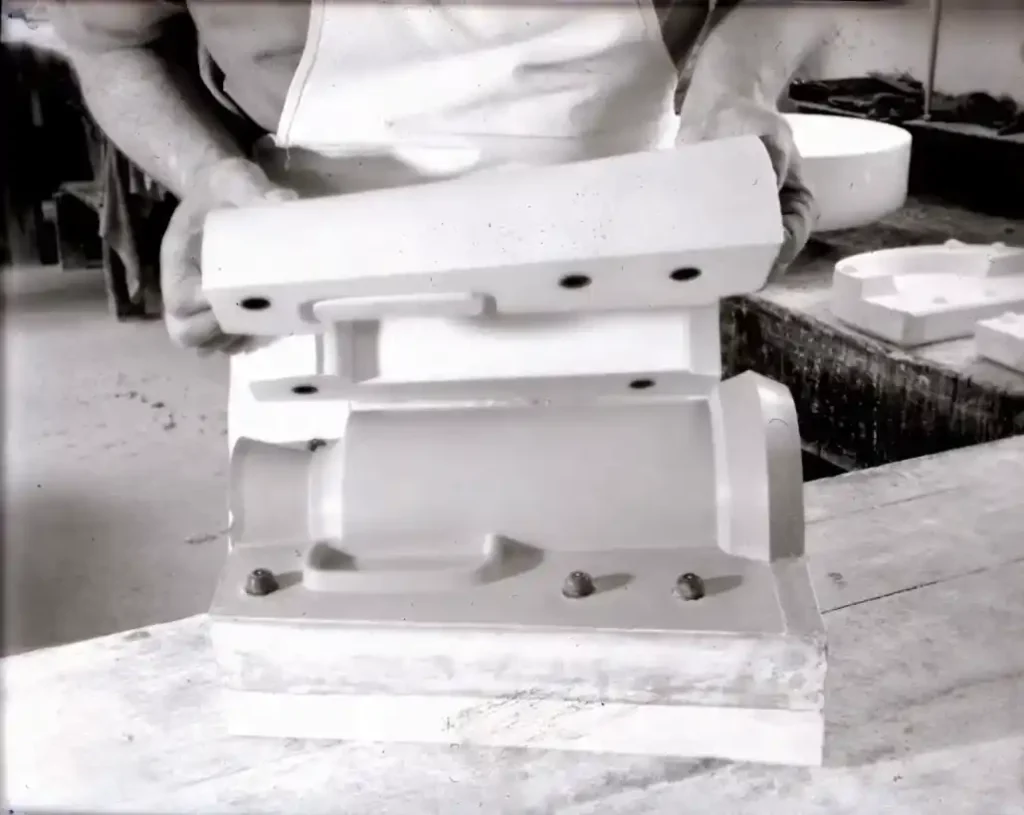
Electric vehicle products cannot move directly from an idea to a factory production line.
Every EV component must pass engineering, testing, validation, and manufacturing checkpoints before large-scale production begins.
The 7-Stage GATE process is a structured framework that helps EV manufacturers reduce production risks, shorten launch timelines, and improve product quality.
This framework creates decision checkpoints between engineering teams, suppliers, quality teams, and manufacturing teams.
It also creates a repeatable process for future products.
Companies that standardize product development often reduce expensive redesign cycles.
Why do EV manufacturers need a structured EV component development process
EV products operate under strict performance requirements.
A small design error can delay production by several months.
A structured development process reduces uncertainty.
Modern EV systems contain thousands of interconnected parts.
Some of the most important systems include:
- Battery Management Systems (BMS)
- Inverters
- DC-DC converters
- On-board chargers
- Thermal management systems
- Motor controllers
- Battery enclosures
According to the International Energy Agency, global EV sales exceeded 17 million vehicles in 2024.
Manufacturers now face stronger pressure to increase production speed.
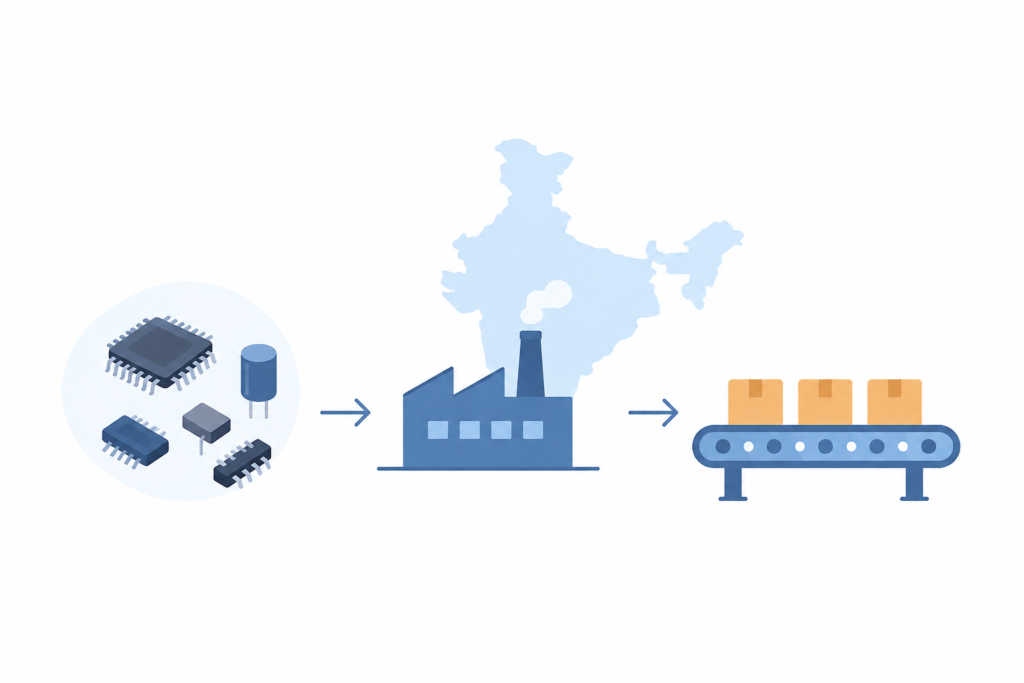
Companies in India are also expanding domestic manufacturing capabilities.
A structured development framework creates four benefits:
- Faster product launches
- Better quality control
- Lower production costs
- Improved cross-team communication
The 7-stage GATE process solves a common problem.
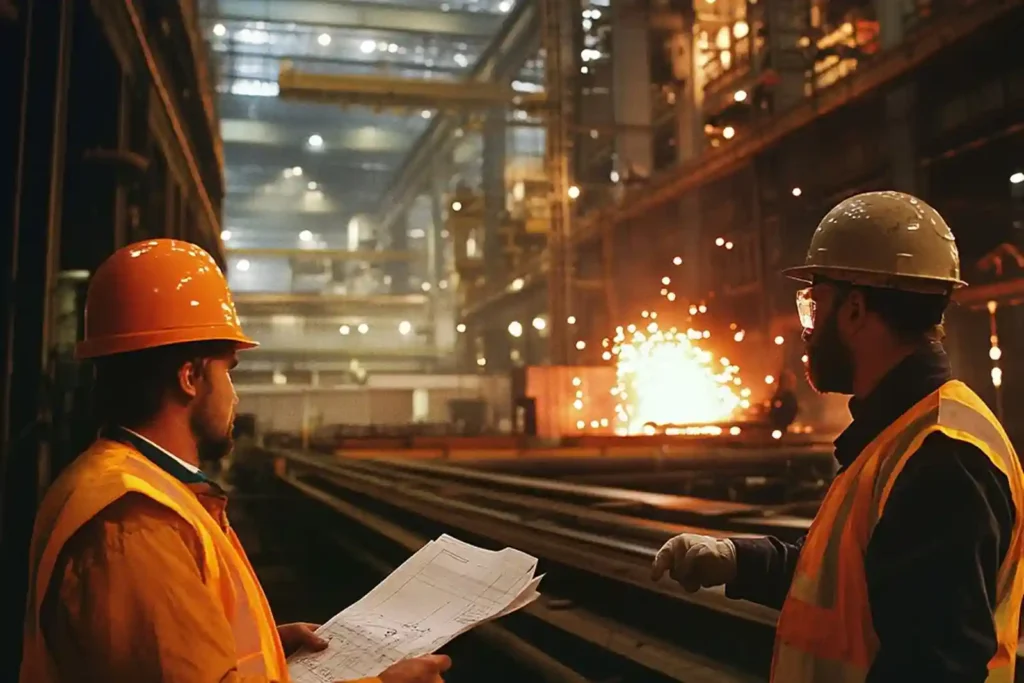
Engineering teams and manufacturing teams often work independently.
The framework connects them early.
How does Stage 1 validate EV concepts before engineering begins
Stage 1 validates whether an idea is commercially and technically feasible.
Teams identify customer needs first.
Engineers define technical requirements next.
Procurement teams evaluate supplier availability.
Regulatory teams review compliance requirements.
The output of this stage includes:
- Business case
- Technical specifications
- Risk analysis
- Cost estimation
Teams also identify future constraints.
Examples include:
- Raw material availability
- Battery cell sourcing
- Production capacity
- Thermal performance requirements
Manufacturers often create a feasibility matrix before approval.
Gate 1 approval only happens when stakeholders agree that the project is viable.
Early validation reduces expensive corrections later.
How do Stage 2 and Stage 3 convert ideas into working EV prototypes
Stage 2 creates engineering designs.
Stage 3 creates physical products.
These stages establish the technical foundation of the entire project.
Stage 2: Product design and engineering
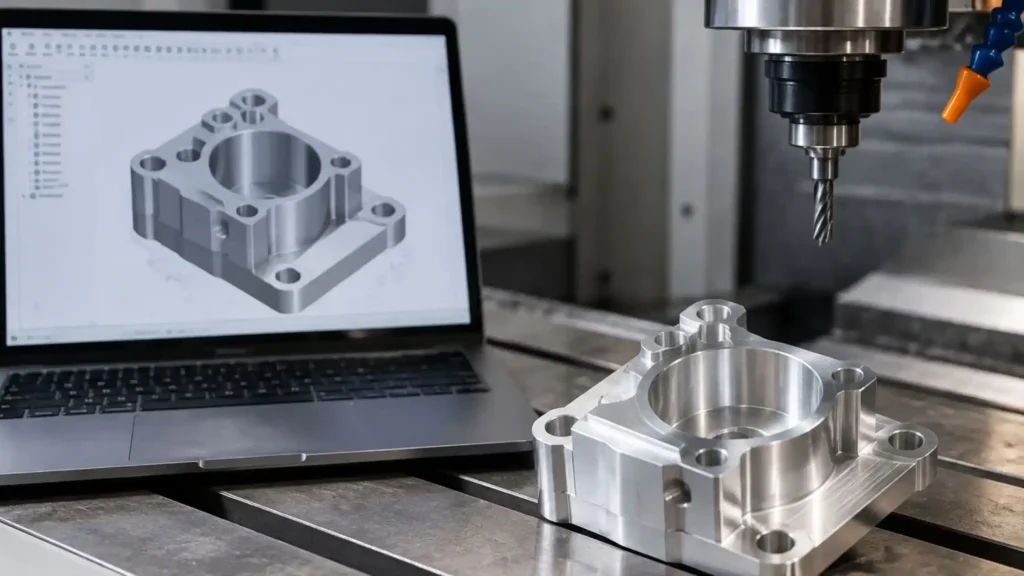
Engineering teams create digital product models.
Design for Manufacturing analysis begins.
Design for Assembly analysis also starts.
Teams build:
- 3D CAD models
- Electrical architectures
- Bills of Materials
- Thermal simulations
Software platforms such as CATIA and Siemens NX are commonly used.
Engineers also conduct DFMEA.
Teams use DFMEA to identify possible design weaknesses before building a physical product. This helps engineers fix issues early and reduce expensive redesigns later.
This process identifies potential failures before prototypes exist.
Stage 3: Prototype development
Teams build functional units.
Rapid manufacturing accelerates development.
Common technologies include:
- CNC machining
- 3D printing
- Soft tooling
Engineers verify:
- Mechanical fitment
- Electrical integration
- Thermal performance
- Component interactions
Prototype validation reduces downstream failures.
How are EV components tested before mass production
Testing verifies whether a component can survive real-world conditions.
Validation is the most important stage of the EV component development process.
Most expensive failures originate here.
Manufacturers perform several tests.
Thermal testing
Components operate at different temperatures.
Battery systems undergo thermal runaway assessments.
Vibration testing
Products experience road simulation environments.
Battery enclosures may undergo hundreds of vibration cycles before approval.
Environmental testing
Products experience dust, humidity, and water exposure.
Electromagnetic compatibility testing
Engineers evaluate electrical interference.
Manufacturers often align testing with SAE International requirements.
Automotive quality systems also follow IATF 16949 guidelines.
Safety teams may also implement ISO processes.
Gate 4 approval only happens when testing objectives are achieved.
How does pilot production prepare EV components for manufacturing
Pilot production acts as a bridge between engineering and commercial manufacturing.
This stage reveals hidden production bottlenecks.
Manufacturers produce small batches first.
Teams measure process stability.
Quality engineers calculate defect rates.
Pilot production verifies:
- Supplier consistency
- Production timing
- Equipment performance
- Process repeatability
PPAP activities often begin here.
PPAP stands for Production Part Approval Process.
Manufacturers also initiate PFMEA.
This process helps manufacturers find weak points in production and fix them before they affect product quality.
Teams refine production workflows before scale-up.
This stage significantly reduces factory disruptions.
How do manufacturers prepare factories for large-scale EV production
Production readiness prepares facilities for commercial launch.
Factories establish standardized operating procedures.
Teams calibrate equipment.
Organizations train operators.
Manufacturers also deploy quality systems.
Activities include:
- SOP creation
- Equipment calibration
- Workforce training
- Digital monitoring implementation
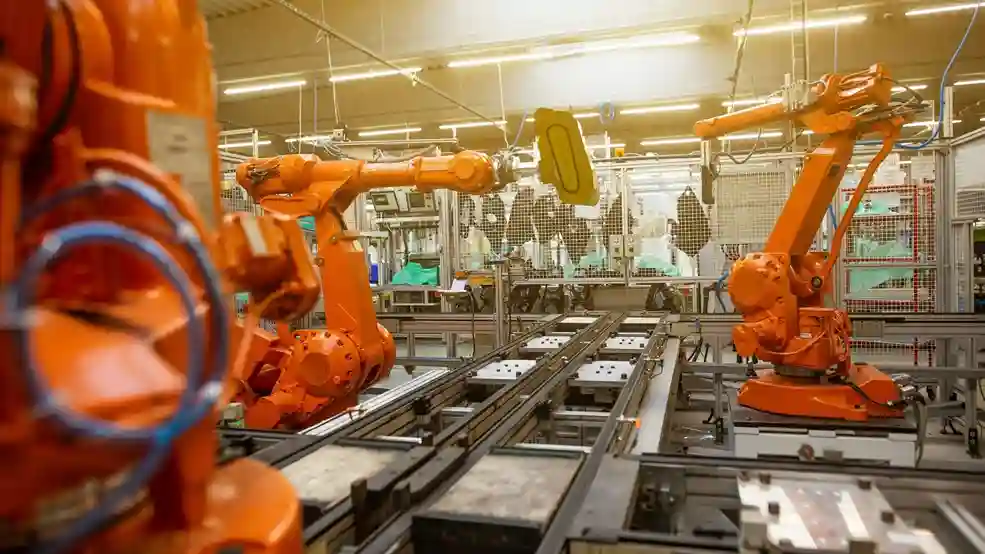
Industry 4.0 technologies improve visibility.
Manufacturers increasingly deploy digital dashboards.
Predictive maintenance systems also reduce downtime.
Indian EV manufacturers continue to invest in smart factories.
The electric vehicle manufacturing process is becoming increasingly data-driven.
How does Stage 7 support continuous improvement after mass production
Mass production is not the final step.
Continuous improvement becomes a permanent activity.
Manufacturers monitor production every day.
Teams track several indicators.
Key performance indicators include:
- Production yield
- Defect rates
- Downtime
- Material waste
- Customer feedback
Data creates improvement opportunities.
Engineering teams receive production feedback.
Manufacturing teams receive engineering updates.
This feedback loop shortens future development cycles.
Organizations that connect departments early build stronger products.
7-Stage GATE Process Summary Table
| Stage | Primary Goal | Main Deliverable | Risk Reduced |
| Stage 1 | Validate feasibility | Business case | Wrong product selection |
| Stage 2 | Create engineering design | CAD model | Design defects |
| Stage 3 | Build prototypes | Functional prototype | Integration failures |
| Stage 4 | Validate performance | Test reports | Safety issues |
| Stage 5 | Verify production process | Pilot batch | Manufacturing bottlenecks |
| Stage 6 | Prepare factories | SOPs | Production delays |
| Stage 7 | Scale production | Finished products | Quality inconsistency |
Why the 7-stage GATE process will define future EV manufacturing
The EV industry is becoming more competitive every year.
Product launch speed now influences market success.
Manufacturers cannot depend on disconnected workflows.
The companies that connect engineering, testing, procurement, and manufacturing teams early will move faster.
The 7-stage GATE process creates that structure.
Venttup helps organizations improve product engineering, prototype development, manufacturing readiness, and production scalability.
Ready to accelerate your EV product journey.
Talk to Venttup’s engineering specialists today.