If a single imported component gets delayed, an entire production line can stop.
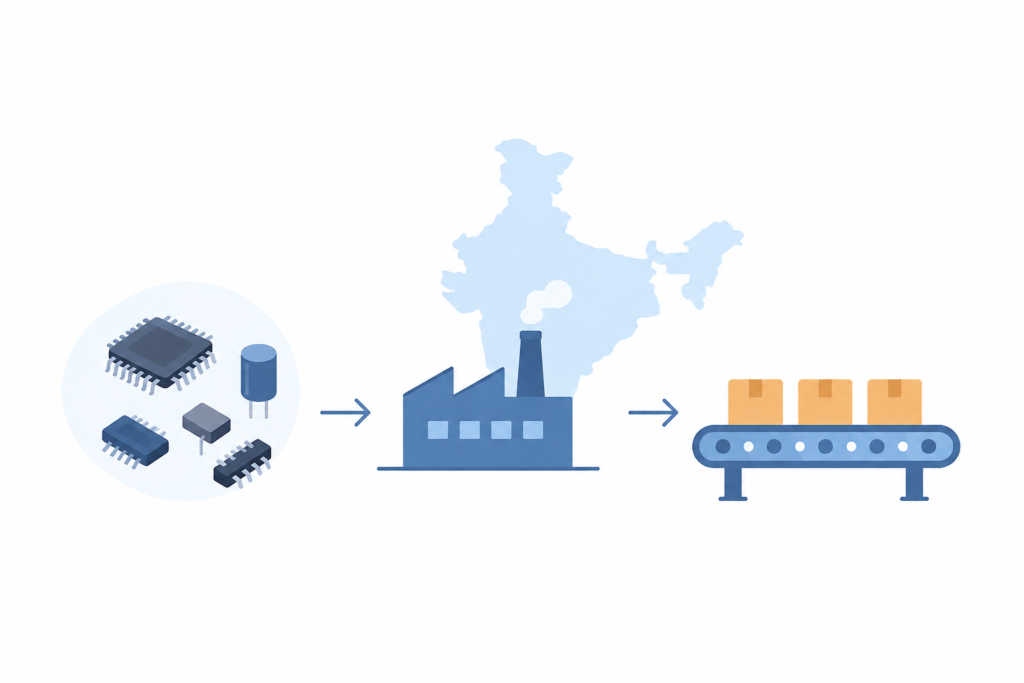
India is growing fast in sectors like electric vehicles, renewable energy, and defence. But there is one major problem behind this growth – many important components are still imported from other countries.
This creates two risks. First, companies spend more money. Second, they depend on foreign suppliers for critical parts. When supply chains break, everything slows down.
In reality, many Indian companies struggle because they depend too much on imported parts. Even a small delay can affect the entire production cycle.
This is where reverse engineering becomes useful. It gives Indian companies a practical way to understand imported products and build them locally.
In this blog, you will clearly understand how reverse engineering in India works, why localisation is important, and how industries in India can benefit from it.
What is Reverse Engineering?
Reverse engineering is the process of studying an existing product to understand how it was designed and manufactured. Once the design and materials are clearly understood, engineers recreate the same product or improve it.
In simple words, instead of starting from zero, companies learn from what already exists.
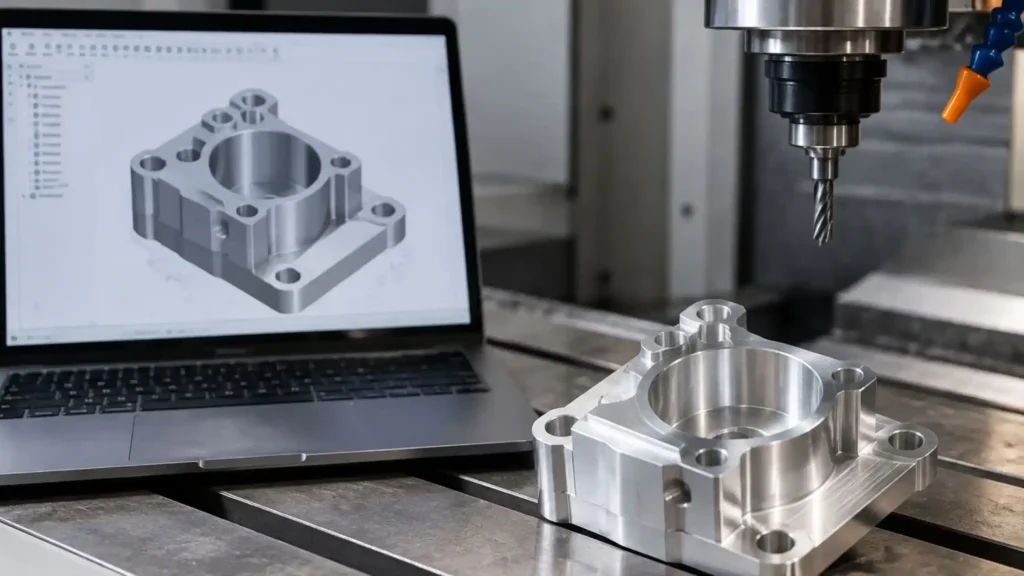
For example, imagine a company imports a motor part for an electric vehicle. Instead of importing it again and again, engineers can:
- Study the part
- Create a digital design using CAD
- Identify suitable materials
- Build the same part locally
This process is called reverse engineering for localisation. It helps companies move from dependency to self-reliance.
Why Does India Need Local Manufacturing Instead of Imports?
India has strong demand in industries like EV, energy, and defence. But many key components are still coming from outside the country.
This creates several problems.
- Import costs are high
- Delivery takes time
- Dependence on foreign technology
- Limited control over quality
Because of this, businesses lose both money and control. This is exactly where unexpected costs and delays start affecting business growth. Many companies realise this only after facing repeated disruptions.
To solve this, the government introduced programs like Make in India and Atmanirbhar Bharat. These initiatives encourage companies to produce more within the country.
Localisation is not just about saving money. It is about building long-term strength.
How Does Reverse Engineering Help Localisation?
Reverse engineering gives a clear path to move from importing to local production. It follows a simple and structured process. To make this possible, engineers follow a few clear steps:
In practice, companies don’t switch to local manufacturing overnight. They follow a step-by-step approach to reduce risk and assure quality.
- Product analysis : Study the imported part and understand its function
- Design recreation : Create a digital design using CAD tools
- Material selection : Choose suitable local materials
- Prototype development : Build a sample product
- Testing : Check quality and performance
- Local production : Start manufacturing at scale
This process reduces risk and helps companies build local capability step by step.
How Reverse Engineering is Changing the EV Industry in India
India’s electric vehicle market is expanding quickly. However, many EV components are still imported.
This includes:
- Battery modules
- Motor components
- Power electronics
- Charging systems
Reverse engineering helps companies understand these parts and produce them locally.
In some cases, companies also use 3D printing to create complex designs faster. This helps speed up development and improves performance. As a result, EV companies can reduce costs and grow faster.
Many companies also use reverse engineering additive manufacturing to create complex EV parts faster using 3D printing.
Role of Reverse Engineering in Renewable Energy Projects
India is investing heavily in solar and wind energy. But many parts used in these systems are still imported. This creates challenges in cost and maintenance.
With reverse engineering, companies can:
- Recreate solar inverter parts
- Build wind turbine components locally
- Reduce repair delays
When parts are available locally, projects run more smoothly and efficiently.
Why Reverse Engineering is Important for Defence Manufacturing
Defence is a critical sector where dependency on imports can be risky.
Reverse engineering helps India:
- Study existing defence systems
- Develop local alternatives
- Improve reliability and control
This supports initiatives like Atmanirbhar Bharat and strengthens national security.
Local production ensures better control over critical systems.
What Are the Real Benefits of Reverse Engineering for Businesses?
Reverse engineering brings real business advantages.
Companies can:
- Reduce manufacturing cost
- Speed up production
- Decrease import dependency
- Improve supply chain control
- Build engineering skills
For MSMEs and startups, this opens new opportunities in manufacturing.
What Challenges Do Companies Face in Reverse Engineering?
Companies may face some challenges when starting.
- Lack of advanced tools
- Shortage of skilled engineers
- Intellectual property concerns
- Initial investment cost
These challenges can be solved with training, partnerships, and government support.
Reverse engineering is not always easy. It requires skilled engineers, proper tools, and time. But once implemented, the long-term benefits are much higher than the initial effort.
Is There Any Real Example of Localisation Using Reverse Engineering?
Yes, many companies in India are already using this approach.
For example, an EV startup was importing battery components at a high cost. This caused delays and increased expenses.
To solve this, the company used reverse engineering to redesign the battery module locally.
The results were clear:
- Cost reduced by around 30%
- Production became faster
- Quality improved
This shows how localisation directly impacts business performance.
What is the Future of Reverse Engineering in India?
The future of reverse engineering in India looks strong.
Companies will increasingly use:
- AI for design analysis
- Faster prototyping tools
- Advanced manufacturing methods
Government support through schemes like Production Linked Incentive Scheme will continue to boost local production. India is moving towards becoming a global manufacturing hub.
Conclusion
India is moving towards a future where local manufacturing is essential for growth and stability. Reducing import dependency is no longer just an option.
Reverse engineering makes this shift possible. It helps companies understand imported products and recreate them using local resources without starting from scratch. As industries like EV, energy, and defence continue to grow, localisation will become even more important. Businesses that adopt this early can reduce risks and improve control.
In the coming years, companies that invest in reverse engineering will be more competitive and better prepared for global challenges.
The question is no longer whether to localise, but how fast you can start.